
A Star Wars collection can hold decades of memories, but turning it into money takes more than placing everything in a box and accepting the first offer. The pieces that look ordinary may be the ones collectors need, while a seemingly rare item may be worth less because it is incomplete or damaged. In this guide, you will learn how to organize your collection, recognize the details that affect value, research realistic prices, protect your items, and choose a selling method that fits your priorities.
Start by Understanding What You Have
Before you decide where to sell, create a basic inventory. You do not need to become a Star Wars historian or document every scratch. You simply need enough information to help a buyer understand what is included and to keep valuable pieces from being overlooked.
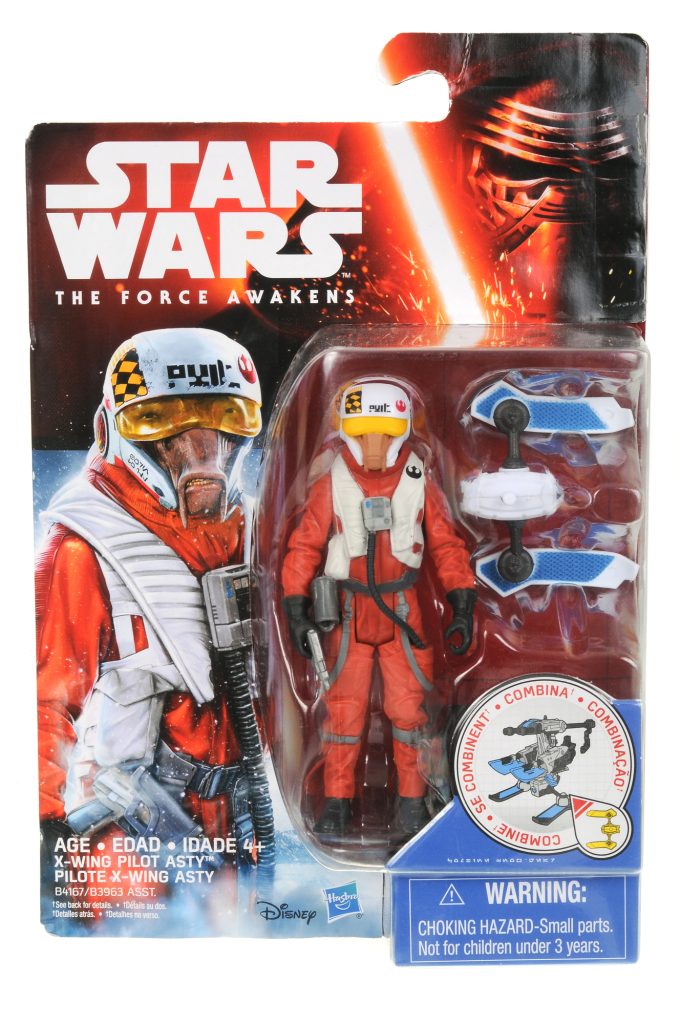
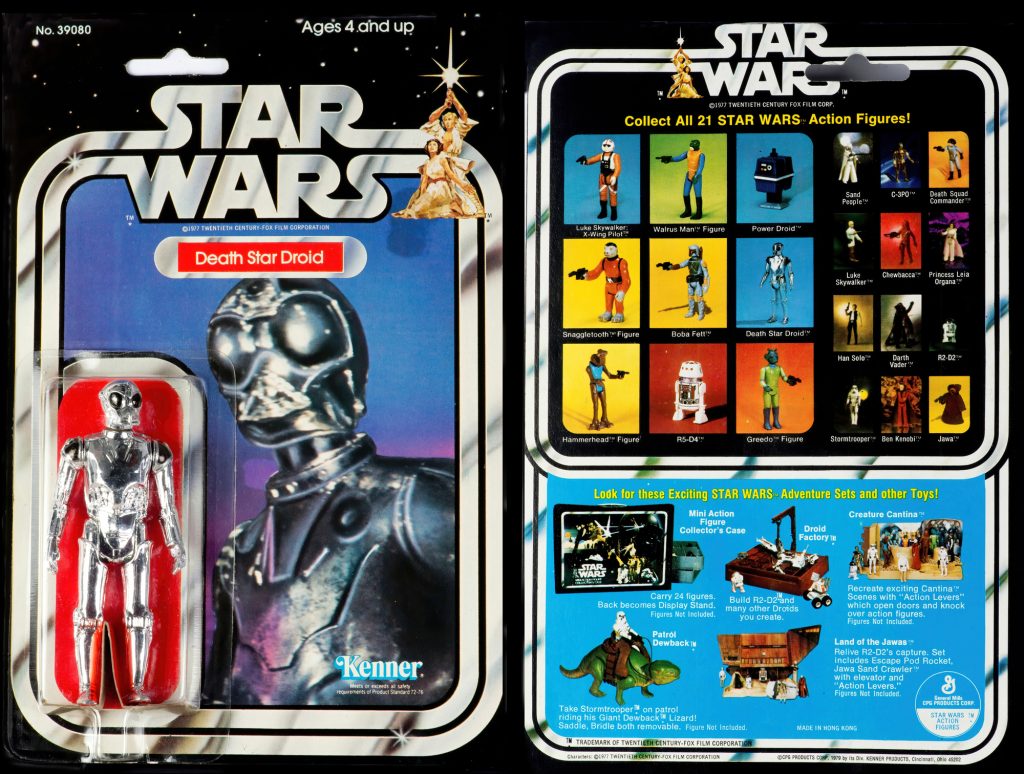
Work through the collection by category. Separate action figures, vehicles, playsets, LEGO sets, statues, comics, trading cards, posters, costumes, prop replicas, books, games, and promotional items. Then group similar pieces by era or product line when you can. An original Kenner figure from the late 1970s belongs in a different conversation from a modern mass-market figure, even if both portray the same character.
For each notable item, record:
-
The character or product name
-
The manufacturer and approximate year
-
Whether it is sealed, boxed, loose, or incomplete
-
Included accessories, inserts, instructions, and packaging
-
Visible damage, repairs, fading, odors, or missing parts
Take clear photographs as you go. Capture the front and back, maker’s marks, date stamps, packaging, accessories, and any flaws. Wide photos help show the size of the collection, while close-ups help a potential buyer identify specific versions.
Do not throw away empty boxes, cardboard backers, plastic inserts, paperwork, weapons, capes, or small loose parts until the collection has been reviewed. Original packaging and accessories may contribute to value, and a tiny accessory can sometimes be harder to replace than the figure it belongs to. If the collection is too large to inventory alone, start with the most organized boxes or shelves and note which areas still need review.
Know What Can Increase or Reduce Value
Age matters, but it does not determine value by itself. Collectors usually look at a combination of rarity, condition, completeness, authenticity, demand, and presentation. Two versions of the same character can sell for very different amounts because of a packaging variation, production detail, or missing accessory.
Rarity and collector demand
A piece is valuable when it is both difficult to find and desirable to buyers. Limited releases, store exclusives, early production variants, discontinued items, prototypes, and unusual promotional pieces may attract extra attention. However, “limited edition” printed on a box does not automatically mean an item is scarce. Many modern collectibles were produced in large quantities even when marketed as special releases.
Demand also changes. A character, series, or product line may become more popular after a new film, show, anniversary, or collector discovery. That is why an old price guide or remembered purchase price should not be treated as the current market value.
Condition and completeness
Condition can make a major difference, especially for vintage toys and sealed products. Look for cracked plastic, yellowing, paint wear, bent cards, torn price tags, crushed bubbles, water damage, sun fading, mildew, smoke odor, and evidence of repairs. Describe these issues honestly. Experienced buyers would rather see a clearly disclosed flaw than discover it after making an offer.
Completeness matters too. A vehicle with its canopy, decals, instructions, and original box will usually be easier to sell than the same vehicle with important parts missing. For loose figures, match weapons and accessories carefully. Do not force a piece into a figure’s hand or assume that two similar-looking accessories are interchangeable.
Authenticity and restoration
Reproduction accessories, resealed packaging, replaced stickers, touch-up paint, and repaired parts can affect buyer confidence. They do not always make an item unsellable, but they should be disclosed. Avoid cleaning, repainting, gluing, or “improving” a collectible unless you know how collectors view that type of restoration.
When an item may be especially valuable, consider getting an experienced opinion before changing anything. Professional grading can make sense for certain high-value figures, cards, comics, or sealed items, but grading fees, shipping risk, and turnaround time mean it is not necessary for every piece.
Research Prices Without Chasing Wishful Numbers
Online asking prices can be misleading. A seller can list an item for any amount, but that does not show what a buyer was willing to pay. Whenever possible, look for recent completed sales of the same item in a similar condition.
Match the details closely. Compare loose items with loose items and sealed examples with sealed examples. Check the manufacturer, year, size, packaging style, accessories, version, and condition. A broad search for “vintage Darth Vader figure” can mix several product lines and decades, creating a price range that is not useful.
Use several comparable sales instead of relying on one unusually high or low result. Then account for the costs required to achieve that price, including marketplace fees, payment processing, packing materials, shipping, insurance, returns, and the time spent photographing and communicating with buyers.
It also helps to separate the collection into three rough groups:
-
Items that appear individually valuable and deserve closer research
-
Solid collector pieces that may sell well in small related groups
-
Common or incomplete items that make more sense as part of a larger lot
This step keeps you from spending an hour researching a low-value piece while missing the few items that could influence the collection’s overall offer. If you are uncertain, leave the questionable items with their accessories and ask a knowledgeable buyer to review them.
Choose the Selling Method That Matches Your Goal
“Maximum value” can mean the highest possible selling price, but it can also mean the best result after time, effort, fees, risk, and deadlines are considered. The right approach depends on the collection and your situation.
Selling items one at a time
Individual online listings can produce stronger gross prices for sought-after pieces. This method gives you control over pricing and presentation, but it also requires the most work. You may need to research each item, answer detailed questions, pack fragile collectibles, manage shipping, and handle returns or disputes. Less desirable pieces may remain after the best items sell.
Grouping related items
Small lots can balance return and convenience. Figures from the same line, a vehicle with matching characters, or several books from one series may appeal to buyers who want a ready-made group. Keep especially rare items separate unless there is a clear reason to bundle them.
Selling the collection together
A whole-collection sale can be the practical choice when you are managing an estate, preparing for a move, downsizing, or simply ready to reclaim space. You may give up some of the potential gross return from selling every piece separately, but you avoid months of listings, packing, buyer messages, and leftover inventory.
Shields Estate Solutions offers estate collection buying in the Kansas City area. The team can review a full collection, identify items of value, and make a direct offer. For families working through a broader household transition, its senior downsizing service can also help with sorting and removing the belongings that will not move to the new home.
Protect the Collection While You Prepare to Sell
Careless handling can reduce value before a buyer ever sees the collection. Store items in a dry, temperature-stable area away from direct sunlight, moisture, smoke, pets, and pests. Avoid attics, damp basements, and hot garages when a safer indoor space is available.
Use clean containers and keep small accessories in labeled bags. Place a label beside an item rather than sticking tape directly to the toy or package. Do not stack heavy boxes on carded figures, posters, comics, or fragile packaging. When photographing an item, support it safely and do not remove a sealed product from its packaging just to get a better picture.
Be cautious when sharing your collection publicly. Remove personal documents from the background of photos, and avoid posting your home address. For an in-person sale, confirm the buyer’s process, payment terms, and pickup plan before the collection changes hands. Keep a copy of your inventory and agreed terms.
Get a Clear Offer for Your Star Wars Collection
You do not need to know every variation or sell hundreds of pieces one at a time to make a confident decision. Begin with a careful inventory, preserve the original condition, compare realistic sales, and decide how much your time is worth. If you would rather sell the collection together, contact Shields Estate Solutions about estate collection buying for a consultation and a straightforward offer based on the collection in front of you.